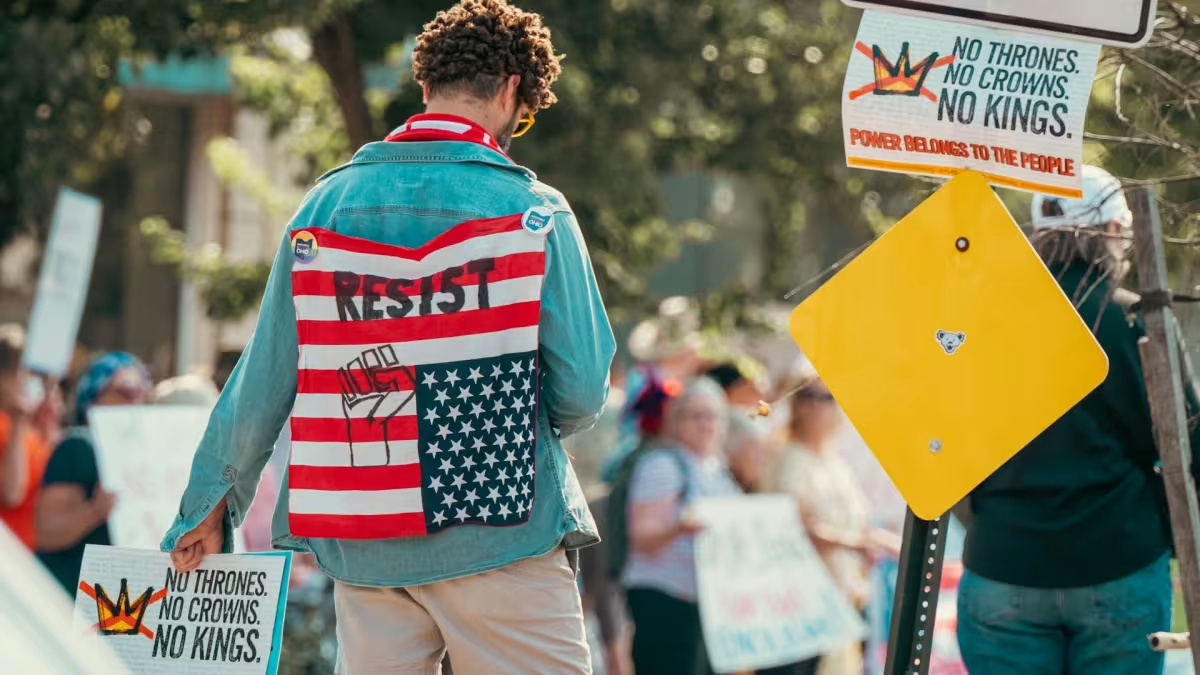
The Trump administration is treating antifa and other far-left extremist organizations as a counterterrorism priority, marking a significant shift in how federal law enforcement allocates its resources and attention.
This approach comes even as threats from Middle Eastern terror groups continue to mount. The decision reflects a judgment that domestic left-wing extremism warrants the same institutional focus traditionally reserved for international jihadist networks.
The repositioning signals how the new administration views the threat landscape. Rather than concentrating exclusively on foreign-based terror organizations, officials are directing counterterrorism capabilities toward what they characterize as organized far-left movements operating within the United States.
Antifa, which exists as a decentralized network rather than a formally structured organization, has been a consistent flash point in the national security debate. The administration's move to classify far-left groups under counterterrorism frameworks gives federal agencies expanded investigative and enforcement tools.
The decision raises questions about resource allocation in an era when terrorism threats remain multifaceted. By elevating domestic far-left groups to counterterrorism status, the administration is betting that the threat level justifies redirecting attention from other priorities.
Law enforcement agencies will likely expand surveillance and investigation into far-left networks, though critics have questioned whether such groups meet traditional definitions of organized terrorist threats. The administration's framing suggests it views the situation differently, seeing patterns of coordinated violence and extremism that demand a counterterrorism response.
Comments